If your air conditioner turns on and shuts off again every few minutes without ever running a full cycle, something is wrong. This is called short cycling, and it is one of the more damaging operating patterns your HVAC system can fall into. In McComb, where your AC runs hard for months at a stretch, a system that short cycles is burning through compressor life with every startup, paying the energy penalty of constant restarts, and failing at the one job that matters most in Mississippi’s climate: removing heat and humidity from your home.
This guide explains what short cycling is, what causes it, what it does to your equipment over time, and what it takes to fix it.
What Is AC Short Cycling?
A normal air conditioning cycle lasts around 15 to 20 minutes. The system starts up, runs long enough to pull the temperature down to the thermostat’s set point, and then shuts off and rests before the next cycle begins. On a hot Mississippi day, a well-matched system runs two to three cycles per hour.
Short cycling is when the system starts and then shuts off again well before completing a full cycle, often within two to five minutes. The compressor barely reaches running speed before it stops. Then the system starts again a few minutes later, repeating the pattern over and over without ever sustaining a real run.
Why Is Short Cycling Especially Damaging in McComb?
Your air conditioner removes humidity from your home as a direct result of sustained run time. The evaporator coil has to reach a cold temperature for moisture in the air to condense on its surface and drain away. That process takes several minutes at the start of each cycle. When the system short cycles, it restarts the humidity removal clock over and over without ever making meaningful progress.
In Southwest Mississippi, where outdoor humidity is high for most of the warm-weather months and indoor dampness is one of the most persistent comfort complaints, a short-cycling system is particularly damaging. Your home may read a comfortable temperature on the thermostat while feeling sticky and oppressive because the coil never ran long enough to pull moisture out.
Beyond comfort, every startup puts a surge of electrical current through the compressor that generates heat and mechanical stress. Normal systems experience this startup load a handful of times per hour. A short-cycling system multiplies that rate dramatically, compressing years of wear into weeks of operation.
What Causes AC Short Cycling?
An Oversized Air Conditioning System
This is the most common cause in residential homes. An oversized system has more cooling capacity than the home’s actual load requires. It cools the space so quickly that it satisfies the thermostat before completing a full cycle, shuts off, and then restarts a few minutes later when the temperature ticks back up. The pattern repeats all day long.
The fix for an oversized system is replacing it with properly sized equipment. Proper sizing requires a Manual J Load Calculation based on your home’s actual characteristics, not on what was installed before. A contractor who recommends a replacement size without running a load calculation may repeat the same oversizing problem.
Refrigerant Leak
If your system is low on refrigerant due to a leak, the evaporator coil can get excessively cold and freeze over. Ice buildup blocks airflow and causes system pressures to drop abnormally, which triggers safety controls that shut the system down. After the ice thaws, the system restarts and the cycle repeats.
Signs of a refrigerant issue alongside short cycling include visible ice on the refrigerant lines or outdoor unit, reduced airflow from registers, and a system that runs without effectively cooling the home. Adding refrigerant without finding and fixing the leak is a temporary fix at best. Our AC repair technicians will check pressures, identify the leak source, and repair it before recharging the system.
A Failing Capacitor
The run capacitor and start capacitor help the compressor and fan motors start and maintain operating speed. When a capacitor begins to fail, it may allow the compressor to start but not sustain operation, causing the system to shut down shortly after each startup.
A failing capacitor is a relatively inexpensive repair, but it should be addressed promptly. Running the system on a failing capacitor stresses the compressor motor and can lead to much more expensive damage over time.
An Overheating Compressor
The compressor has a built-in thermal overload protector that shuts it down if internal temperatures get too high. When the compressor overheats and trips the protector, the system stops. After the compressor cools, it starts again, and the cycle repeats.
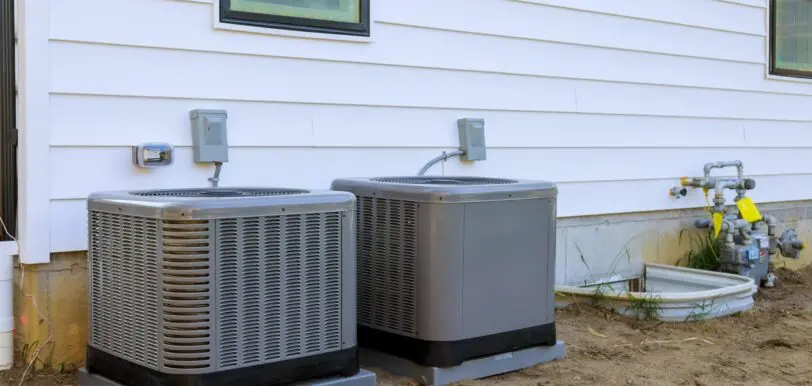
Causes of compressor overheating include blocked airflow around the outdoor unit, a dirty condenser coil that cannot shed heat effectively, very high outdoor temperatures combined with an aging compressor, and internal compressor problems. Keeping the area around your outdoor unit clear of overgrown vegetation, fence enclosures, and debris is a simple preventive measure.
Thermostat Problems
A thermostat located in a poor position, such as near a window with direct sun exposure, near a heat-generating appliance, or in a drafty hallway, reads temperatures that do not reflect the rest of the home. It may signal the system to shut off prematurely because the area around it reached the set point while the rest of the house has not.
A failing thermostat can also send erratic signals that cause the system to cycle inconsistently. If other causes have been ruled out, the thermostat is worth evaluating.
Dirty Air Filter or Restricted Airflow
A severely clogged air filter can restrict airflow to the point where the evaporator coil freezes, triggering the same shutdown-and-restart cycle as a refrigerant issue. This is one of the most preventable causes of short cycling. If your filter is heavily loaded with debris, replacing it and monitoring the system afterward is always the right first step.
Closed supply registers can contribute as well. It may seem logical to close registers in unused rooms, but in a conventional duct system, closing registers raises system pressure without reducing what the blower is trying to move, which can contribute to coil freezing and short cycling.
How Short Cycling Damages Your Equipment
Every compressor startup creates a surge of current that generates heat and puts stress on motor windings and internal components. In a normal operating pattern, this happens a few times per hour. In a short-cycling system, it can happen a dozen times per hour or more.
Over days and weeks, that accelerated wear significantly shortens compressor life. Compressors are the most expensive individual component in your air conditioning system. Replacement typically costs $1,200 to $2,500 or more in parts and labor. On older systems, compressor failure is often the point where replacement becomes more cost-effective than repair.
What to Check Before Calling
Start with the simple things:
- Replace the air filter if it is dirty or has not been changed recently
- Make sure all supply and return registers are open and unobstructed
- Check that the outdoor unit has at least two feet of clearance on all sides and is not blocked by vegetation, fencing, or stored items
- Look at the outdoor unit for visible ice on the refrigerant lines
If the short cycling continues after those checks, the problem is mechanical or electrical and needs a technician’s diagnosis. The longer it runs without a fix, the more wear accumulates on the compressor.
Preventing Short Cycling With Regular Maintenance
Many of the causes of short cycling, including capacitor wear, dirty coils, refrigerant issues, and airflow restrictions, are caught during routine maintenance before they trigger a breakdown. An annual AC tune-up allows a technician to inspect, test, and clean all of these components while the system is still running normally.
Our Shield of Protection maintenance plan includes seasonal tune-ups, priority scheduling, and 20% off any repair calls. In McComb’s climate, where your system works hard from spring through fall, consistent maintenance is the most reliable way to catch short cycling causes before they become emergencies.
Is Short Cycling a Sign It Is Time for a New System?
Not necessarily. If the cause is a failing capacitor, dirty coils, a refrigerant leak, or a thermostat problem, a repair resolves it. But if the cause is an oversized system, the short cycling will continue regardless of what else is serviced, until the system is replaced with properly sized equipment.
If your system is also past its expected service life and has needed multiple repairs in recent seasons, short cycling may be the right trigger to evaluate AC installation rather than another repair. Our technicians will give you an honest comparison of both options.
Concerned About Your AC in McComb? We Can Help.
Southern Air has been serving the McComb area since 1984. If your system is short cycling, our technicians will find the cause, explain it clearly, and give you upfront pricing before any work begins.
Call us at (601) 265-3799 or schedule an AC repair visit online today.